By Madelaine Braggs | Rose Law Group Reporter
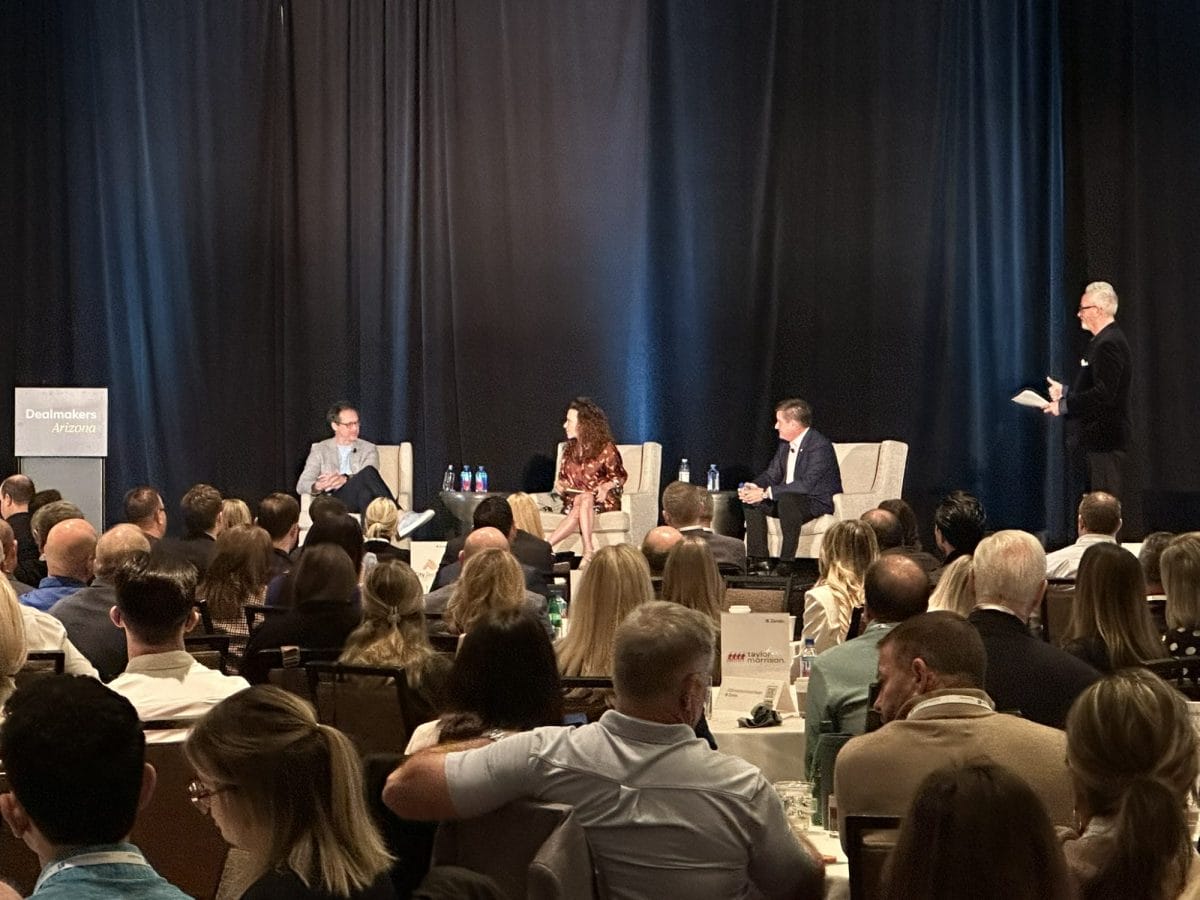
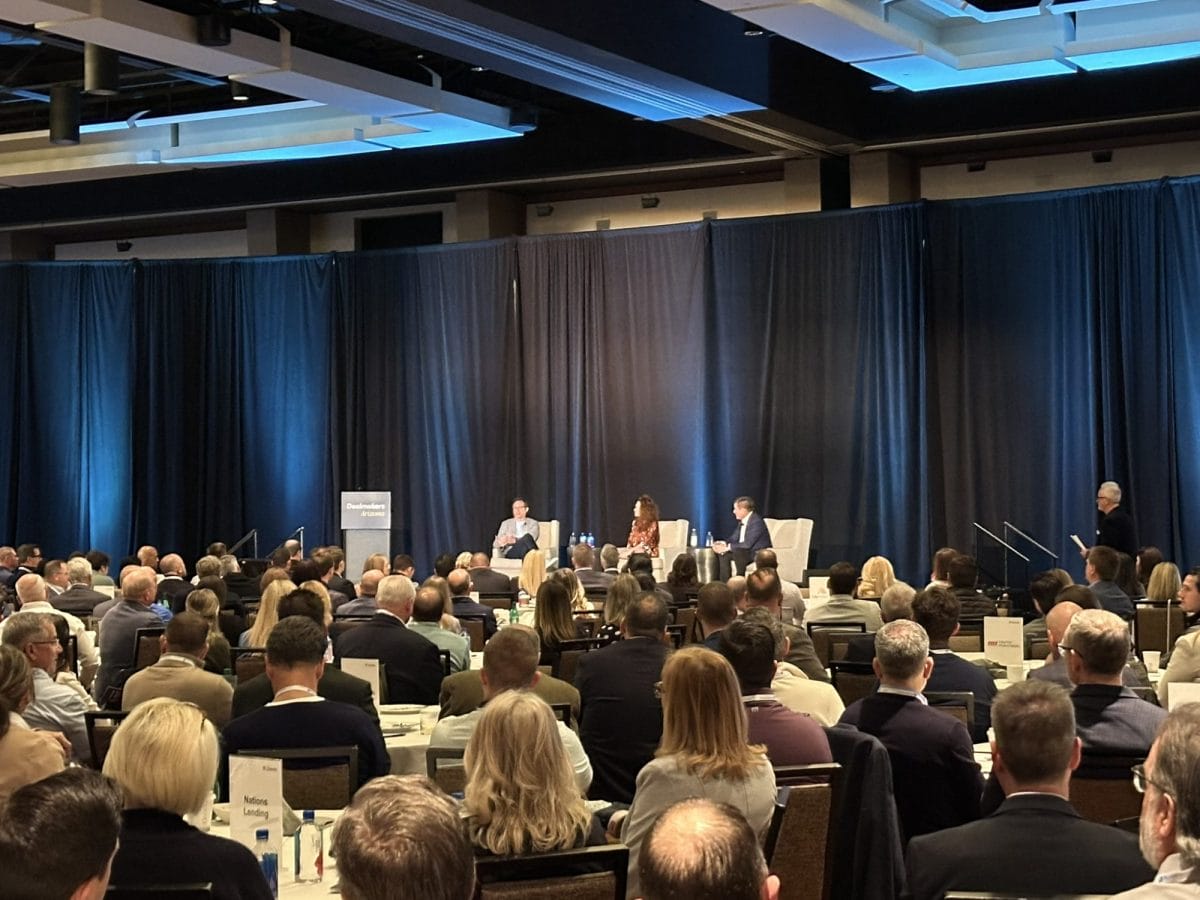
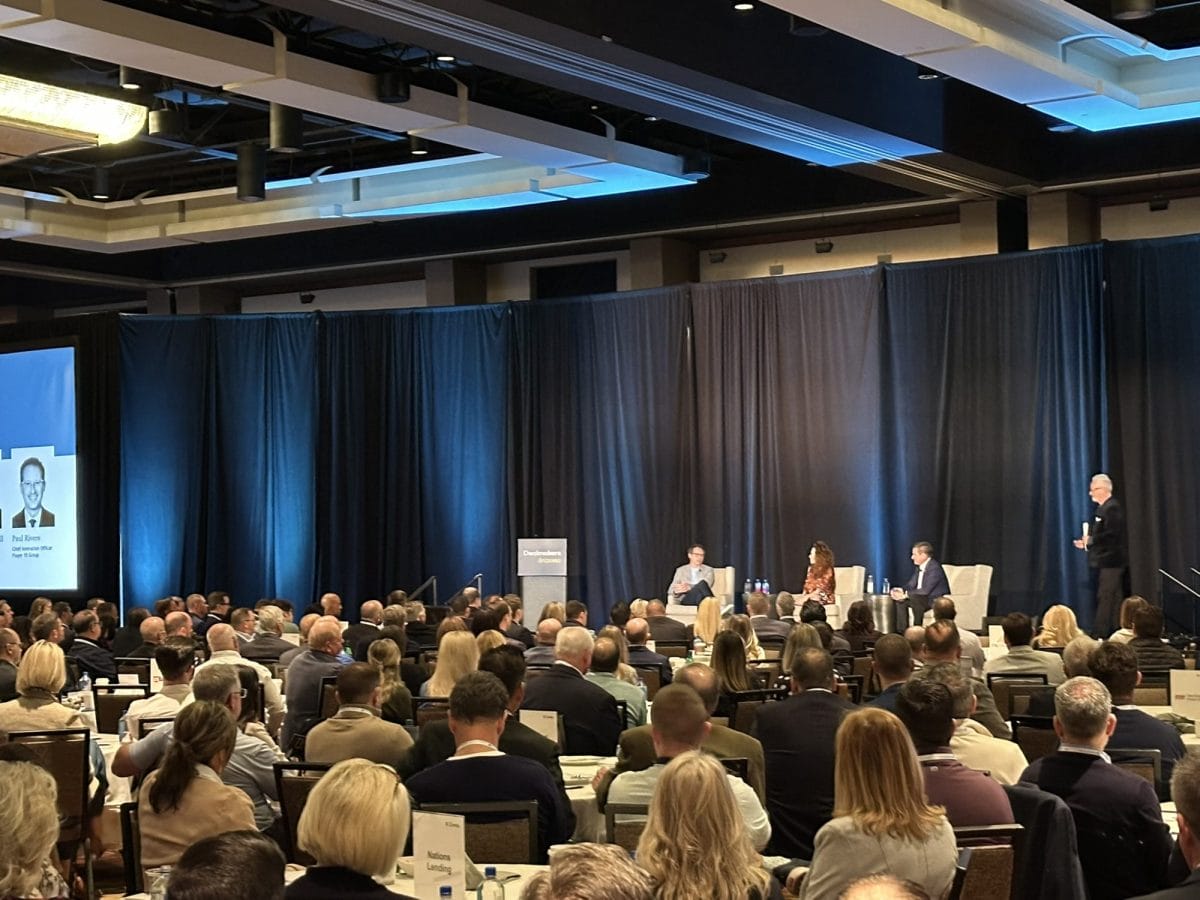
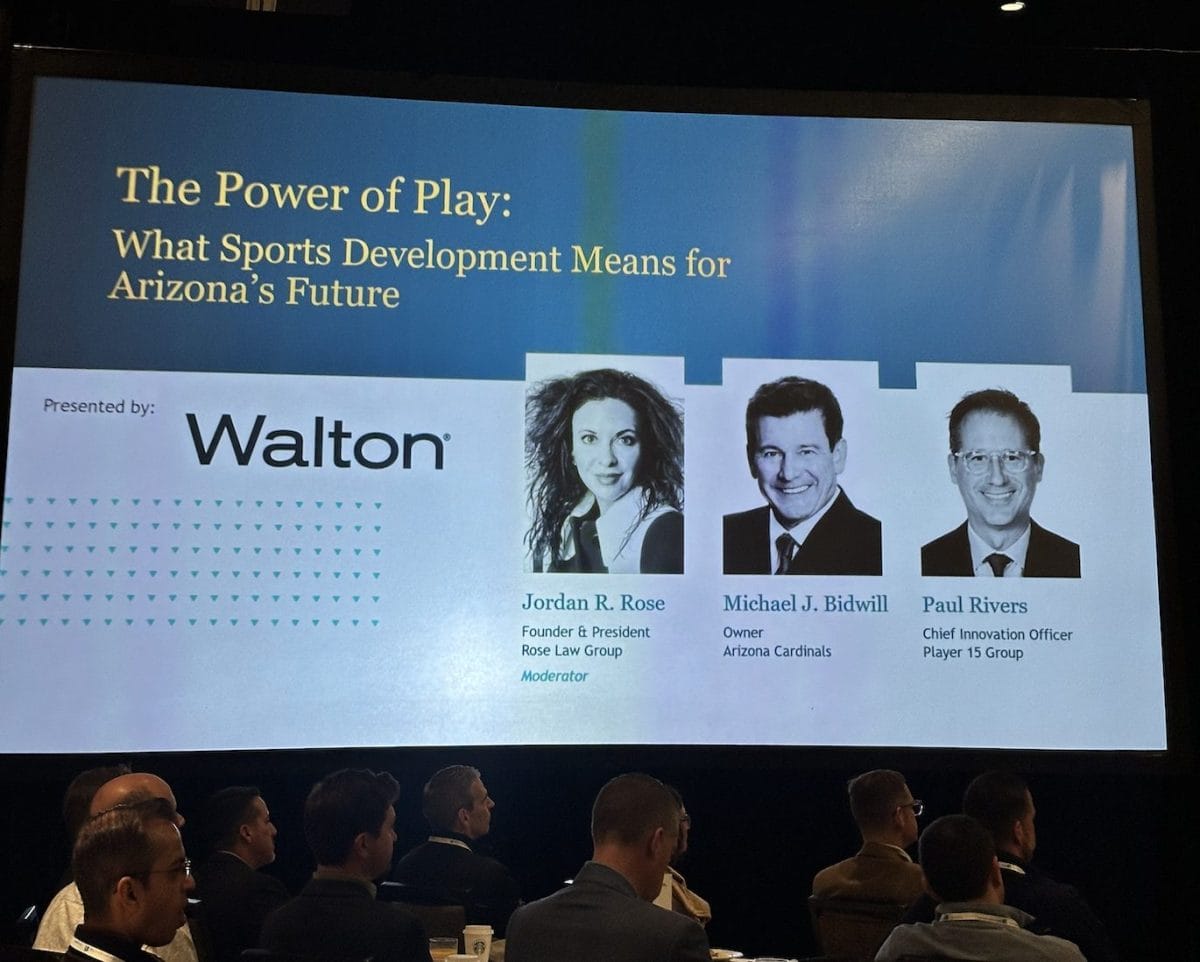
Arizona’s sports economy is no longer just about wins and losses—it has become a sophisticated driver of economic development, real estate investment, and national brand-building. That theme took center stage at Zonda’s 2026 Arizona Dealmakers, during a panel moderated by Jordan Rose, founder of Rose Law Group, whom Zonda Chief Advisory Officer Tim Sullivan described as “a beacon of knowledge in our industry.”
Rose led a wide-ranging conversation with Michael Bidwill, owner of the Arizona Cardinals, and Paul Rivers, chief innovation officer at Player 15 Group and a central figure in the acquisition and transformation of the Phoenix Suns.
Bidwill opened with a reminder that professional sports in Arizona were built on resilience. The Cardinals, he noted, trace their origins back to 1898. After the Great Depression nearly derailed the franchise, his grandfather purchased the team for $5,000. When he passed away, Bidwill’s grandmother Violet became one of the only women to own a professional football team in an overwhelmingly male industry. “She was shrewd, didn’t suffer fools, won a championship and finished second in another,” Bidwill said. “My grandfather’s in the Pro Football Hall of Fame—but my grandmother should be.”
Bidwill’s own path to ownership ran through public service. Before joining the Cardinals organization, he spent six years as a federal prosecutor in the Department of Justice’s violent crimes division. He ultimately left government after concluding that a proposed stadium deal wasn’t going anywhere. “I jumped on the team to work on the stadium,” he said, “and I kept getting put into different leadership roles until I got here.”
When Rose asked what motivates him most, Bidwill didn’t hesitate. “Winning. The second and third things? Winning… and winning,” he said, drawing laughter and applause.
Rivers offered a parallel story from the NBA side—one rooted in decisiveness and market conviction. Player 15 Group’s first attempt at team ownership came when the Denver Broncos went up for sale, only to be won by Rob Walton. That experience proved instructive. When the Phoenix Suns became available in 2022, Rivers said the group moved quickly, believing Phoenix was already a top-tier market. “The NBA is a talent-driven league, and markets dictate where that talent goes,” he said. “We believed Phoenix wasn’t just tier-one—it had the chance to be a global enterprise.”
Their approach mirrored consumer behavior on StockX. “There’s a buy-now price for shoes,” Rivers said. “We took the buy-now approach.” The deal closed in February 2023, and Rivers emphasized that opportunities like that are rare. “Great markets with great ownership don’t come up for sale often. When they do, you move fast.”
The discussion quickly expanded beyond team ownership to the broader definition of “winning.” For Rivers, success includes fan experience, concerts, and community impact. “Winning in the community, winning in relationships, winning in deals—and ultimately on the court,” he said. Since acquiring the Suns, Player 15 Group has hosted roughly 50 non-basketball events annually, invested $110 million in the area south of the arena, and committed $22 million to a shared practice facility for the Suns and Mercury. “Spaces and places—walls and structures—can be accelerators or decelerators for a community,” Rivers said. “If you do the right thing for people, they turn around and do the right thing for you.”
Bidwill echoed that philosophy while discussing the Cardinals’ new practice facility in north Scottsdale, secured through a competitive state land auction. “We bid $28 million over the minimum,” he said. “It was fast, exciting—and a little expensive—but we got the best piece of dirt available in the state.” The planned mixed-use development will span 40 acres, include three outdoor fields and a 300,000-square-foot performance center, and support restaurants, offices, residential uses, and training camp by August 2028.
Rose pressed Bidwill on the often-overlooked role sports plays in corporate recruitment. Bidwill described working closely with Greater Phoenix Economic Council President Sandra Watson and hosting CEOs in informal settings. “Business leaders cut the economic deal,” he said, “but the spouse often makes the final decision—where will we live, will our kids like the schools, will this feel like home?” Sporting events like the Waste Management Open, he added, function as high-impact “economic speed dating.”
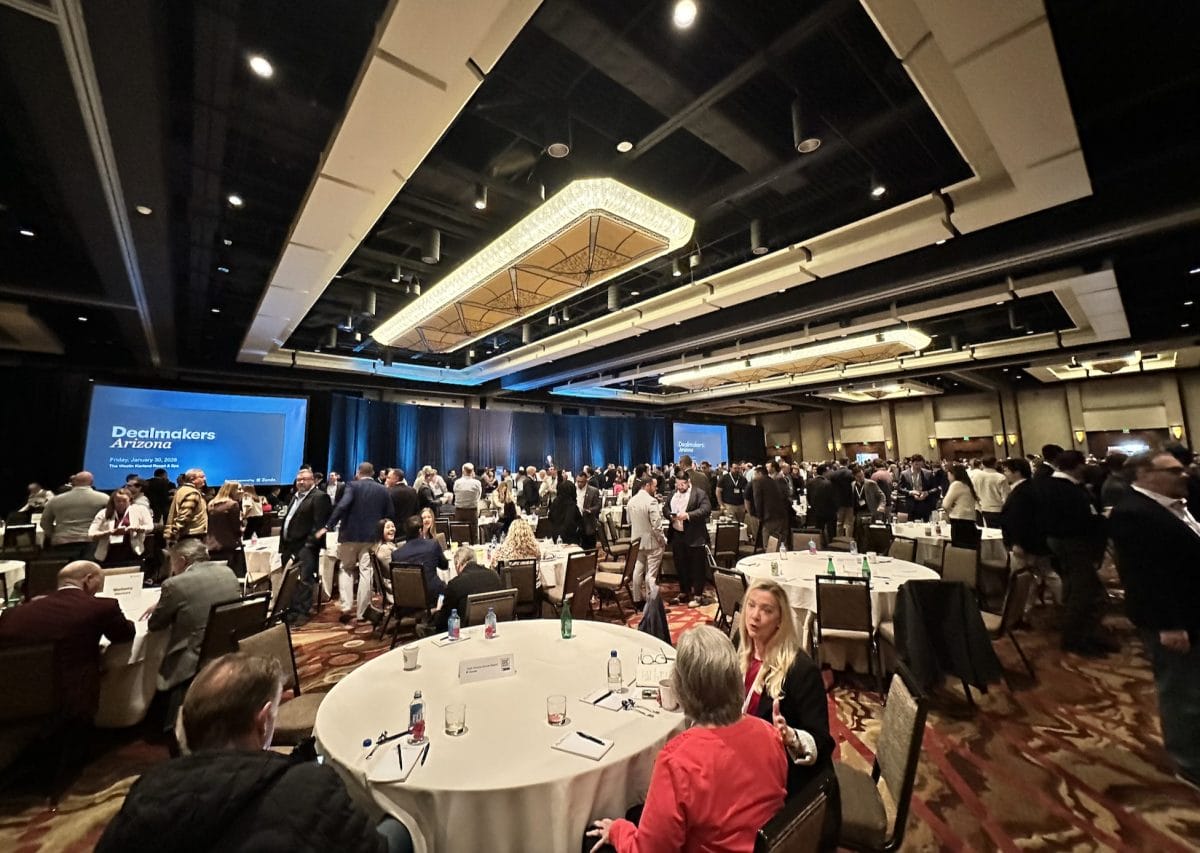
As the panel concluded, the conversation turned to longevity—how arenas and stadiums evolve. Bidwill noted that State Farm Stadium was intentionally built large, with $200 million in upgrades already completed and ongoing investments to keep the fan experience fresh. “We want it to feel new every year,” he said. Rivers added that Phoenix’s arena infrastructure carries broader implications, pointing to Utah’s loss of a professional team due largely to outdated facilities. “These are live-entertainment venues,” he said, “and they need to match the ambition of the people they serve.”
Together, the panelists made a compelling case: in Arizona, sports are no longer just entertainment—they are infrastructure, economic strategy, and community identity.