(Disclosure: Summit Land Management is a Rose Law Group-related company and contracted with the firm.)
Thank you for your lengthy detailed article about the absence of rail systems in the United States. Fascinating to learn all that history about trains and cars. I’m also a fan of subways, light rail, and train travel. However, do you really think that we could ever have extensive intercity and intracity rail systems in our country?
No.
While we in the United States have our differences, we have one commonality: we all really like
our cars and roads.
Further, we really do not care how much our dependence on cars and roads costs us and how
much our obsession damages this fragile earth, our island home. Remember during the covid
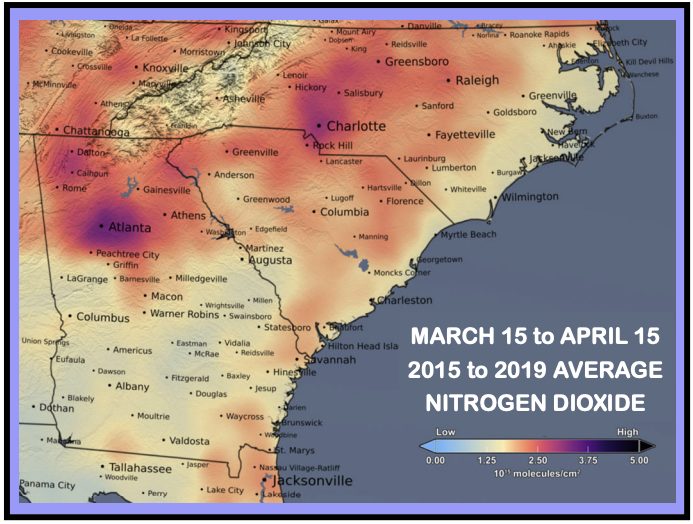
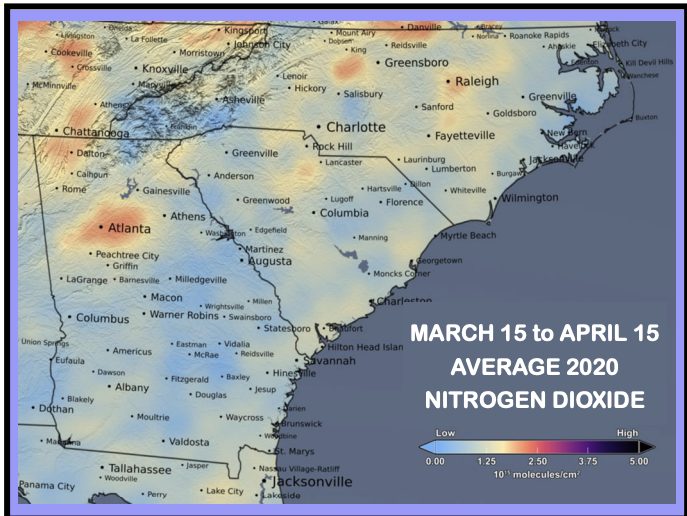
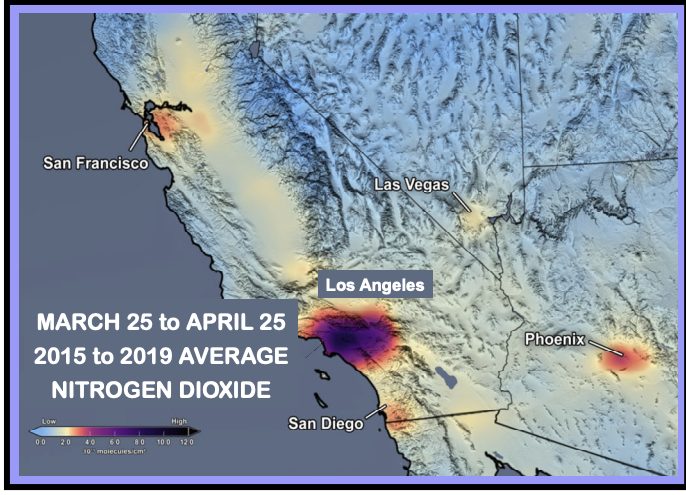
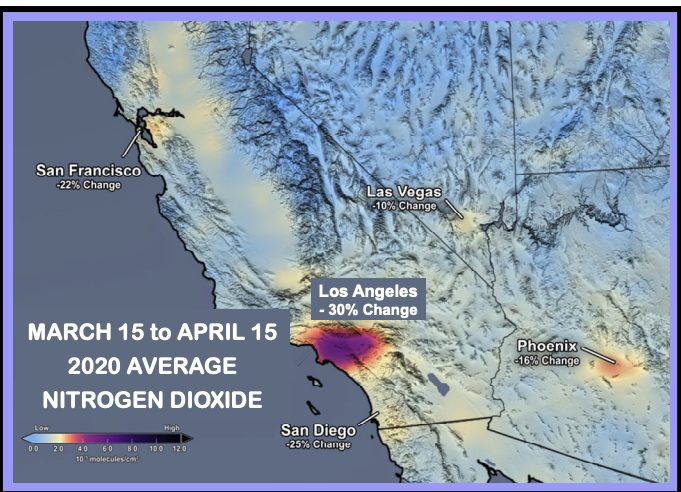
years when air pollution almost vanished?
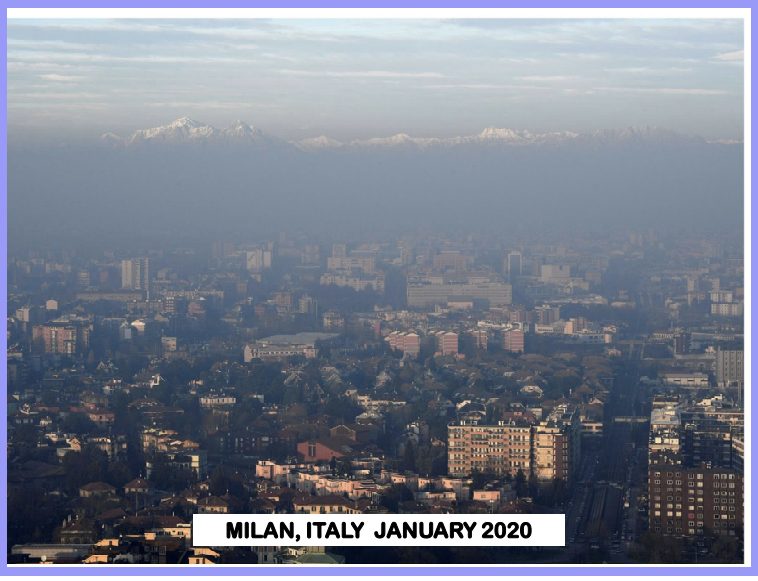
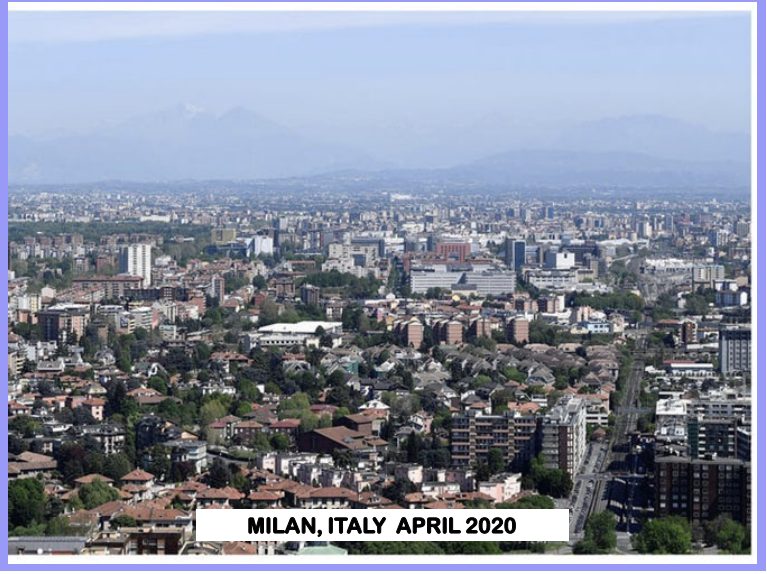
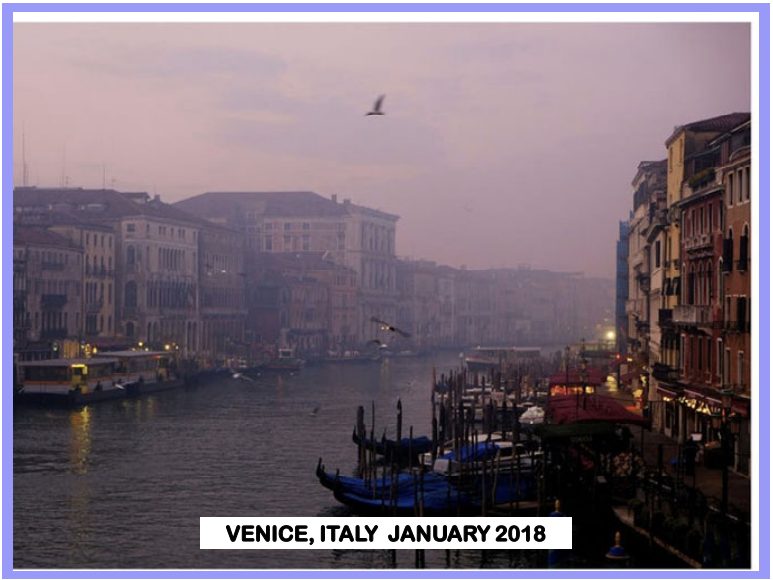
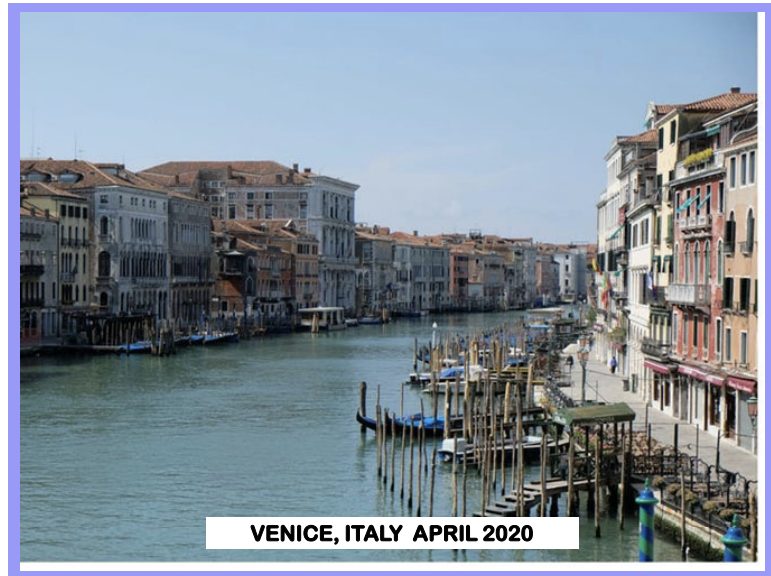
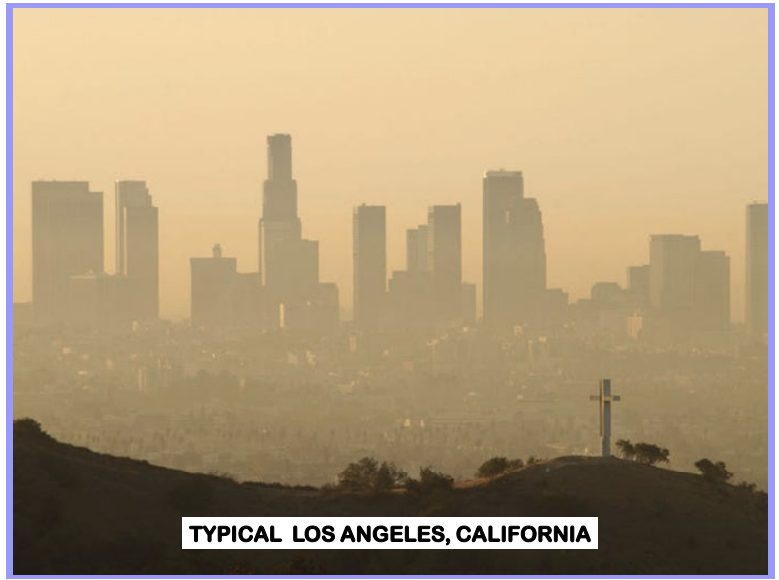
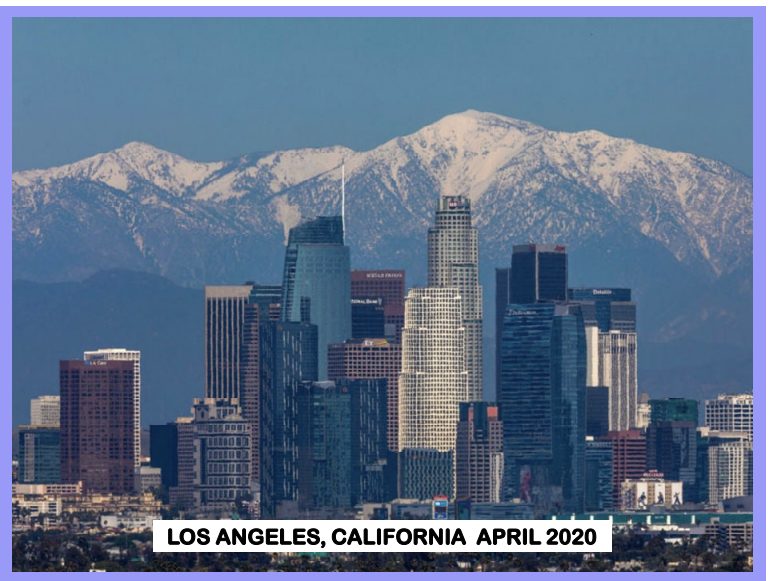
So, that’s why all those people moved to Los Angeles in the 1960’s through the 1990’s!! Modern Los Angeles was founded in 1781 when 44 people came north from New Spain (Mexico) to this paradise. We seemed to have changed it. Think on these satellite images.
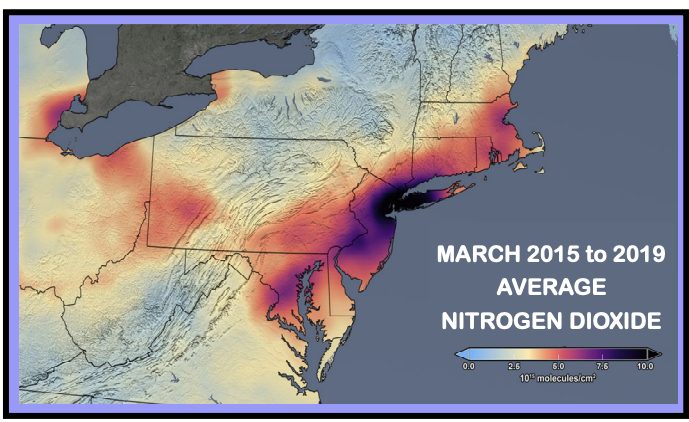
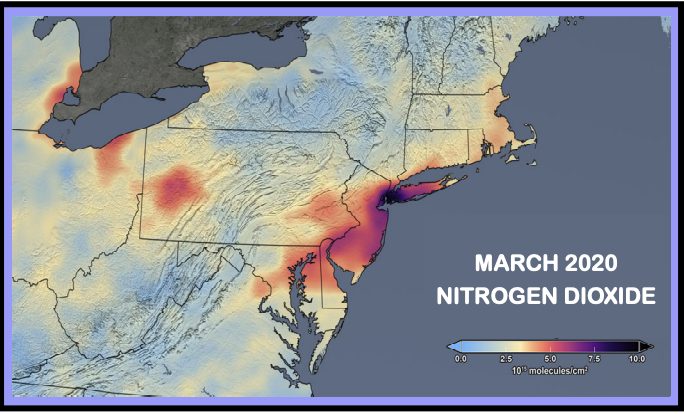
Imagine how much our earth could clean itself if we abstained from driving so much for several
months or years?
We can no longer pretend that our intensely automobile-centric lifestyle is benign to our planet,
by my last count, our only planet.
Even if we all convert to electric cars, and our electricity came from non-fossil-fuel sources, our
private car fascination requires large swaths of our metropolitan areas to be fossil-fuel based
concrete and asphalt. We can do better, the technology exists, the will does not.
Is the epitome of human existence the Houston freeway with 26 lanes? Evidently, we think it is.
When a new freeway is constructed here in metropolitan Phoenix, within a few weeks, it seems
like it has been here since 1781. We think the only way we can travel, or even live, is with cars
and roads.
Cars have only been here 0.06% of the time that Homo Sapiens have existed on the planet. Cars
have only been here 3% of the time that humans have lived in cities with roads. We previously
survived without cars.
We could have evolved differently, and we could still evolve differently. We could change from
our automobile dependence and thrive. All of our inventions, innovations, improvements,
creativities, enjoyments, pastimes, and more; in all human endeavors that have occurred the past
150 years; could have occurred with less attachment to private cars. We could easily use efficient,
economical, earth-friendly rail for our common and frequent travel, if only we would build it. All
of our inventions, innovations, improvements, creativities, enjoyments, pastimes and more; for
the past 150 years; could have and can occur with intercity and intracity rail. Nothing mandates
the way we have chosen to live the past fifty years.
Human daily migration is incredibly predictable. We simply need to install and operate light rail
lines where we want to go, and critically, when we want to go. Light rail travel can respond to
our desire for spontaneity and flexibility.
Convenient and independent have multiple definitions. None of us is independent of our cars and
roads. We are each utterly dependent on cars and roads.
Searching various sources on the internet, with numerous assumptions about gasoline cost, fuel
consumption, vehicle costs, vehicle depreciation, insurance costs, and miles driven; we spend an
estimated $3,000 to $18,000 per year driving our private cars or trucks. With similar assumptions,
our private vehicles are parked and unused 93% to 96% of each year.
Light rail passes are generally $700 to $1,200 per year, depending on the agency, for unlimited
rides. That is an astonishingly large cost difference.
We gladly and proudly pay substantially larger sums of money than necessary for transportation.
We find subways, light rail, and intercity trains repulsive. If they were clean, efficient, frequent,
and ubiquitous; we would gladly use them. If we all used them; they would be clean, efficient,
frequent, and ubiquitous.
The dominant reason appears to be that we want to choose the people who occupy our space.
While dogs are not the only species that prefer to be with creatures of another species (humans),
the dog-human companionship practice seems dramatically common and strong. Seems to me
that our species acts as though we also prefer to avoid other members of our same species. We
work very hard to separate ourselves from other people with only slight and superficial
differences. Many people tell me the primary reason they do not like light rail travel is that they
do not want to associate with the type of person who uses light rail.
Seems to me, that if we spent more time with other people with slight and superficial differences,
we would have much less polarization in this country. Light rail use would create beneficial
interactions with other people, and we would grow to notice, understand, and like each other.
The fact that most people are choosing to be very comfortable with the air quality destruction
and the financial costs of travel by cars and roads, answers the initial question. Our culture is
completely very pre-disposed and dependent on travel in small individual metal and plastic boxes. And we are very committed to doing so. So, no, we will never have extensive intercity and intracity rail systems in our country.
Curious about something traffic? Call or e-mail Paul at (480) 505-3931 and pbasha@summitlandmgmt.com.