By Abigail Kessler | Arizona Daily Sun
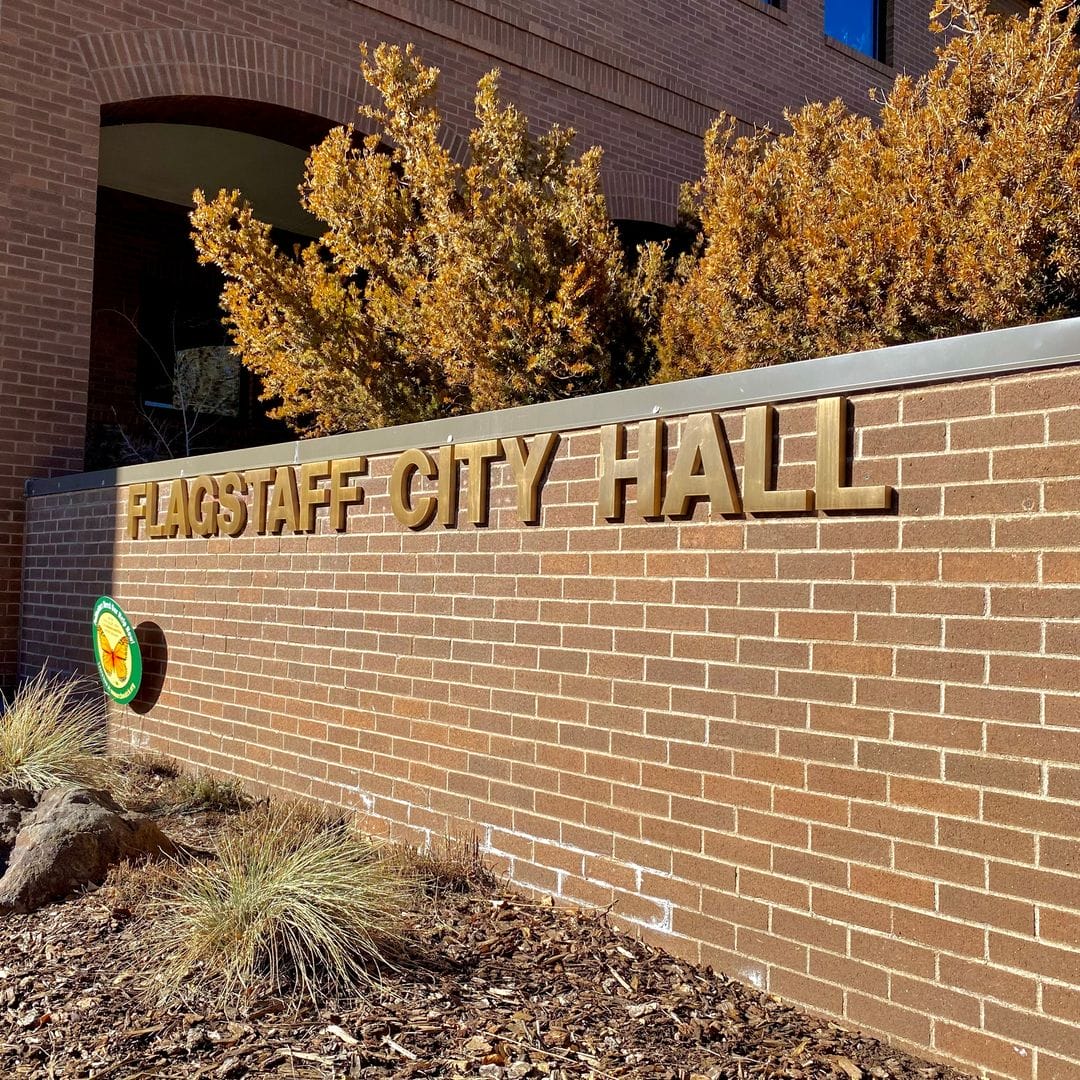
The Flagstaff City Council moved forward with recommendations that are the outcome of a years-long effort to assess and make changes to city code to help Flagstaff meet its housing and climate goals.
City staff first began working on the Land Availability and Suitability Study and Code Analysis Project (LASS/CAP) in 2023. It has now completed a study of buildable land in Flagstaff, an analysis of city code as it relates to housing and climate goals, and multiple reports on how code can be changed to further these goals.
The recommendations are intended to help adjust city code to better align with the goals of Flagstaff’s 10-year housing plan, climate action plan and the 2045 Regional Plan that was approved by voters earlier this spring. They fall into six categories: increasing maximum density; adding a scaled floor area ratio requirement; reducing parking requirements; requiring a sustainable design baseline; integrating incentive programs into the code; and refining other standards.
Of the opportunity sites identified in the LASS, the majority of buildable land (82 acres) fell in the R1 zone. Another 26 acres were in manufactured housing, 24 were in medium density residential, 20 were in high density residential and 13 fell in a commercial zone.
Planning and development services director Michelle McNulty and consultant Jamin Kimmell of Cascadia Partners presented on the code recommendations that were developed through the process during the June 16 council meeting. In her introduction of the item, McNulty said the final recommendations had been shaped by feedback from the council and community in response to the draft code concepts that had been presented last August.
The city has also made some code changes while moving through this process; the end of the presentation listed more than a dozen areas where Flagstaff had updated its zoning code since 2021 to meet these goals, including changes related to accessory dwelling units and middle housing.
Following the presentation, the council unanimously expressed support for moving forward with the recommended changes to city code. Staff will be listing the necessary code recommendations to bring the suggested changes into effect. Then they will seek input from various groups and begin the city approval process.
Zoning code manager Tiffany Antol estimated that the combined process of drafting a code amendment and completing internal review and public outreach would take approximately 150 to 180 days. This would be followed by a work session and public hearing with the planning and zoning commission, and finally a first and second reading by city council. This part of the process would take around another 107 days to complete.