By Keith Walther | Rose Law Group Reporter
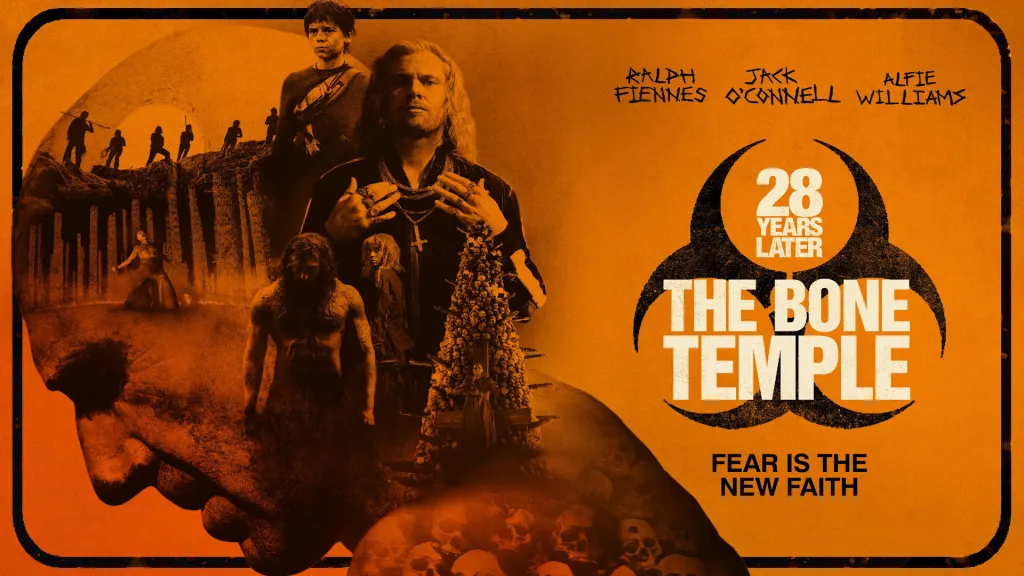
Eager to shake off the tremendous disappointment of last year’s film, this is a sequel that smartly returns to the basics, storytelling and acting. “28 Years Later: The Bone Temple” is the fourth film of this horror franchise, and while it still struggles to strike fear, it adequately builds tension for a more suspenseful experience. Led by the commanding performances of its two leads, it might not be time to give up on this franchise just yet.
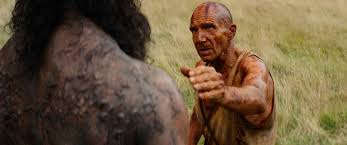
Immediately following the events of the prior movie, Spike (Alfie Williams) has earned his place among the gang of the blonde wigged weirdos led by Sir Jimmy Crystal (Jack O’Connell). Unfortunately for Spike, safety comes at a price as he realizes his protectors are crazed, bloodthirsty satanists. Meanwhile, Dr. Kelson (Ralph Fiennes) has made incredible discoveries about the rage virus using a morphine cocktail on an alpha male he’s befriended and named Samson (Chi Lewis-Parry). An inevitable collision makes for a wild, hellraising climax that sets the stage for future sequels.
Danny Boyle, who directed last year’s folly as well as the original film, wisely takes a step back into a producer role for this sequel. Taking over the duties in the director’s chair is Nia DaCosta, who has had very little success with prior films like the “Candyman” remake and the disastrous MCU flop, “The Marvels.” However, she sagely leans on the strengths of this motion picture like the story, once again written by Oscar nominee Alex Garland, and the acting talents of the two stars. Nia successfully progresses this franchise in a more fruitful direction than Danny Boyle was able to do last year.
Expanding on the ideas introduced in the last film, Nia repairs some of the damage inflicted. For instance, the teenage blonde wigged ninjas were given a silly introduction at the end of last year’s movie, but Nia focuses to provide context and motivations for this chaos inducing crew that gives them more meaning. She also explores the lore surrounding the alpha male, providing insight into his power over the other zombies as well as offering a window of clarity into the virus itself that could establish a better foundation for the next film. With more coherency and organization of the scenes, Nia largely fixes the pacing issues that plagued the prior film, allowing viewers to be engrossed in the story rather than the shock value cinema that Boyle seemed to enjoy.
Sure, the shock is still present with multiple scenes of full male nudity, but Nia adds more purpose behind them. She also elevates the level of gut-wrenching gore that more fragile viewers may find nauseating. While Nia increases the level of tension and suspense through storytelling, she misses the opportunity to terrify. The jump scares are few and far between with adrenaline pumping horror falling flat and inconsequential. The comical drug influenced scenes of the alpha male also do no favors to elicit fear. Her departure from Boyle’s cinematography style of iPhone usage leads to a more deliberate, more panoramic, less frenetic visual style that almost lends a more comedic feel to the visceral carnage depicted. Overall, Nia’s direction is far from perfect, but she proves she has capable filmmaking skills, surpassing Boyle’s product by a longshot.
Shifting the focus of this film on the characters briefly introduced last year played by Ralph Fiennes and Jack O’Connell is the real stroke of genius. Three-time Oscar nominee Fiennes is the kind of veteran talent that settles this ailing franchise, offering intentional depth and poise that believably grounds his casual interactions with other chaotically crazed characters. He perfectly demonstrates the ill effects of self-imposed isolation on his psyche while still showing the clinical calculation and approach of his character’s former life.
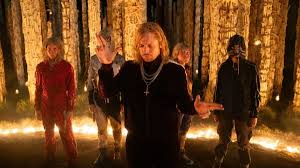
Once again, Jack O’Connell finds himself as the main antagonist in this movie as he was in “Sinners” last year, and once again he knocks it out of the park. The British actor’s poetically calm line delivery belies his character’s insidiously evil and violent nature. He impressively balances comical dialogue with a psychotic mentality, while yielding sufficient depth that explains his character’s negative transformation. Also worth mentioning is the young actress, Erin Kellyman, who steals some scenes of her own and may have a larger role in the next film.
It may not be worth a trip to the theater, but this sequel is a nice rebound from the prior film that proves the horror franchise still has a pulse. There are even some clever usages of classic rock songs and a subtle reference to “This Is Spinal Tap” that enhance the entertainment value. “28 Years Later: The Bone Temple” sets up the next film nicely with a surprise teaser at the end that fans of the series will certainly appreciate.
This movie earns: