By Zach Rich, Summer Intern | Rose Law Group Reporter
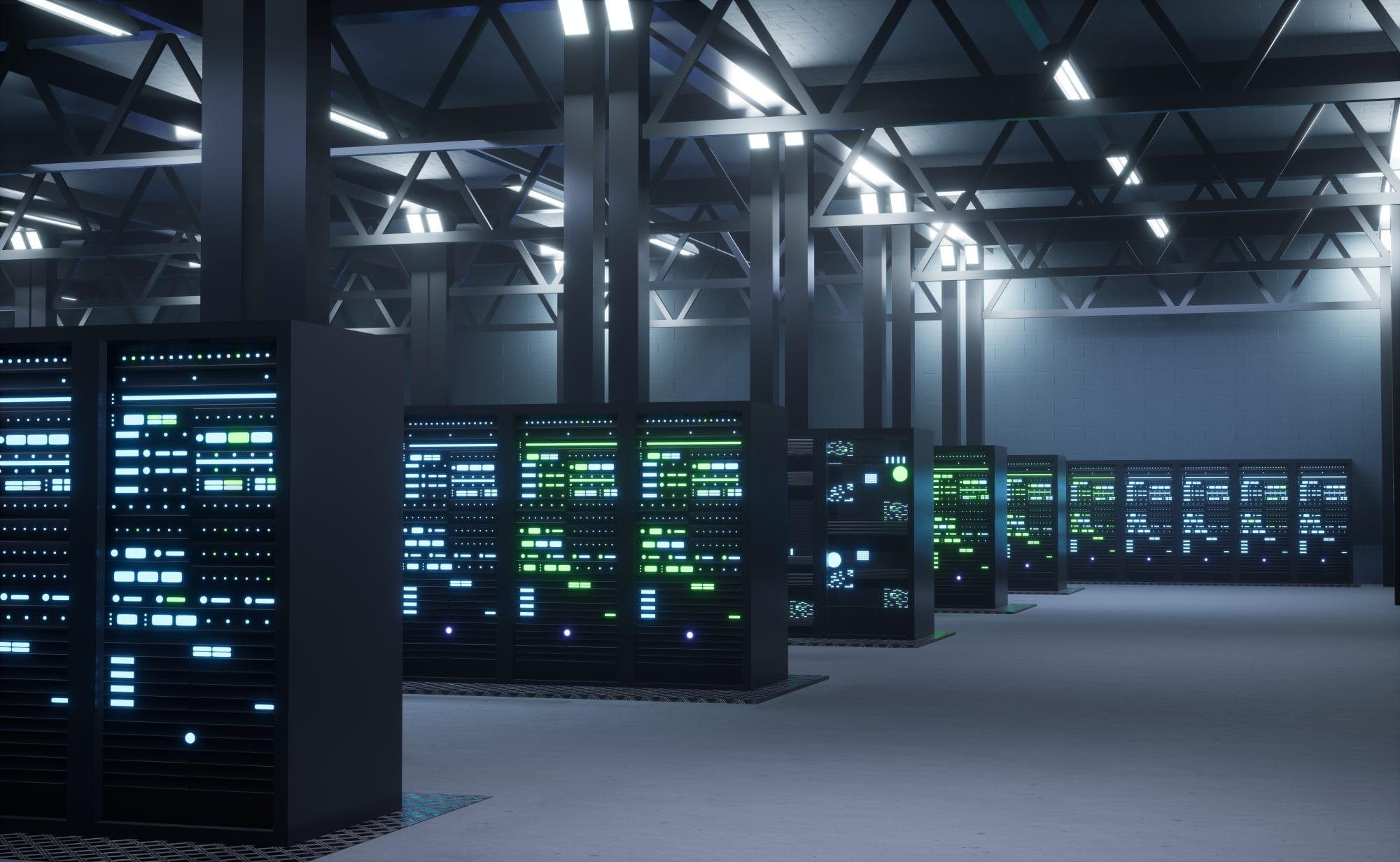
The Federal Energy Regulatory Commission issued tailored show cause orders aimed at faster, clearer, and more reliable integration of data centers and other large electricity users to six grid operators. Many grid operators are already facing many gigawatts of growth due to these large customers, yet many are still behind on their integration processes. Driven by demand for artificial intelligence, data centers are rapidly growing in number, and therefore the demand on the grid all around the United States. The reforms in the orders are meant to make this process more efficient, allowing data centers and large users grid integration at the same rate as projects are being proposed.
The six grid operators affected by FERC’s orders are PJM Interconnection, Midcontinent Independent System Operator, Southwest Power Pool, California Independent System Operator Corporation, ISO New England, and New York Independent System Operator. FERC has stated that many of the existing tariffs in these regions are potentially unjust or unreasonable.
Although each region has a different market structure and transmission planning process, the orders focus on several common reforms. First, FERC wants clearer application and study procedures for large loads, making study timelines short and more consistent across each region. Second, FERC wants more transparency around network upgrade costs and stronger protections against cost shifting, preventing ratepayers from needing to pay for costs associated with large users. Third, the orders call for clearer rules encouraging more co-location and behind-the-meter generation. Fourth, FERC wants operators to make more flexible transmission services for large energy users. Finally, FERC wants each operator to create better systems for studying generation for large loads.
FERC emphasizes that the solution will not be identical in every region. For example, SPP has already made processes for high impact large loads, while ISO New England has seen a much smaller level of data center growth compared to other regions. However, FERC still wants ISO New England to prepare for a significant increase in demand. FERC has decided that it would be best for each operator to prepare the as best as possible despite the differences across them.
Each grid operator has 30 days to submit an informational report explaining its generation adequacy for current and future large loads. They also have 60 days to either justify why their current tariffs remain lawful or explain what tariff changes would fix the concerns FERC identified. The orders are not meant to stop data center development or disrupt existing agreements. Instead, FERC is trying to update grid rules so large loads can connect in a way that is efficient, reliable, transparent, and avoids putting costs on other rate paying customers.

Court Rich, Rose Law Group co-founder and director of the firm’s energy & utility infrastructure department, tells RLGR,
“FERC took decisive action to instruct US grid operators to act quickly to make sure we are efficiently and fairly interconnecting data centers that are essential to our nation’s security. Energy is the number one issue threatening our continued dominance in the AI space and this action is designed to help solve that issue”