By Darius Amiri, Rose Law Group Chair of Immigration Law
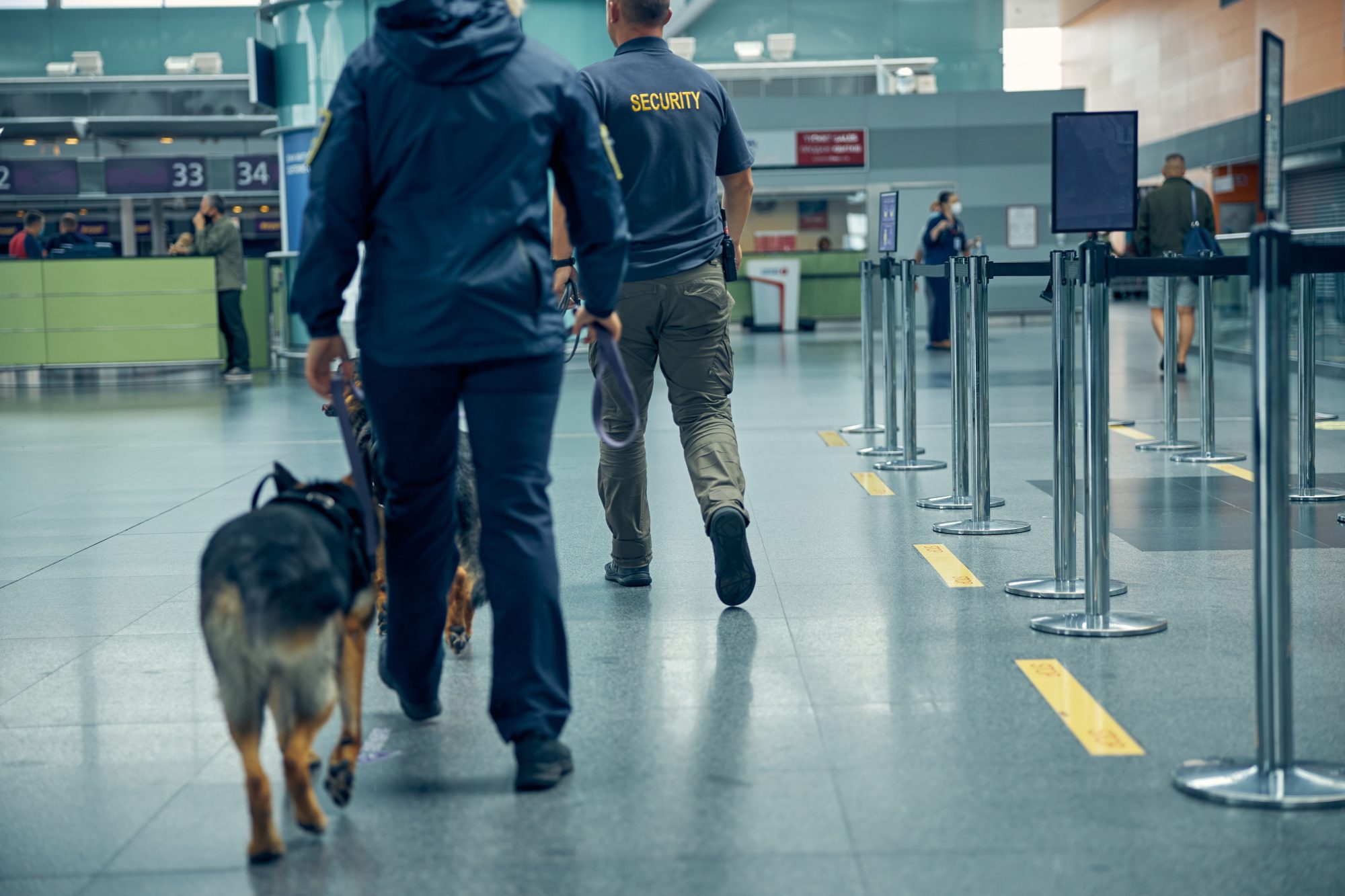
On Monday, the Trump administration sent Immigration Customs and Enforcement (ICE) agents to airports around the nation as the partial Department of Homeland Security (DHS) shutdown entered its sixth week.
The partial shutdown stems from partisan disagreement over ICE funding and requested reforms, including increased use of bodycams by ICE agents, agreement to not detain noncitizens in public spaces such as churches, schools, courthouses, and hospitals, and not enter homes in enforcement operations without explicit use of judicial warrants.
Meanwhile, TSA workers remain understaffed and unpaid resulting in longer security lines, missed connections, and frustrated travelers.
Now, we have the new added wrinkle of ICE presence at our airports, so what does this mean, who does it affect, and what comes next?
- ICE vs. TSA: Know the Difference
This distinction is critical, while TSA is charged which administrative security screening like ID checks, processing bags, and boarding access, ICE is limited to law enforcement regarding immigration violations.
ICE agents are not substitutes for TSA agents and will not be performing duties traditionally carried out by TSA agents. Even when ICE is physically present near checkpoints, their legal authority does not automatically expand. Thus, we do not expect their presence to do anything to address any of the inconveniences or concerns of travelers affected by the shutdown.
- Can ICE Detain or Arrest You at the Airport
The answer is, yes, but only under certain, limited conditions. ICE agents can arrest individuals with removal orders, detain individuals that they have probable cause to believe are removable, and conduct targeted operations based on their intelligencer or databases. However, ICE agents cannot randomly detain people without legal justification.
- Your Rights in an Airport ICE Encounter
If you are a U.S. Citizen, you have the right to remain silent or not engage with ICE, you do not have to answer immigration related questions and cannot be detained without reasonable suspicion of a crime.
However, if you are a non-Citizen, especially without status or with a pending or unresolved legal status, you should assume some risk when flying domestically. ICE agents may have access to passenger manifests and data, you may be approached and asked to show proof of your citizenship or lawful immigration status, and you should carry proof of that status if available. If not available, you may want to reconsider traveling at this time.
Regarding searches of persons or devices, generally, without a warrant or a legal exception, ICE cannot search belongings or devices in a domestic airport context, but all the same, it may be advisable to print boarding tickets, leave certain electronic personal devices such as laptops at home or in airplane mode when traveling, or put said devices in airplane mode or remove social media applications from them prior to traveling (you can always re-install later).
- Practical Advice I Give My Clients
As an immigration attorney, whether I like ICE presence at domestic airports or not (I don’t), I try to give pragmatic rather than alarmist advice. If you have lawful status such as a real ID or license or passport, carry it with you. If you are a non-citizen with a removal order or a pending case, consider not traveling, or consult with an immigration attorney prior to traveling. If approached by ICE, stay calm, don’t lie, you can remain silent, you can ask if you are being detained or free to go, and you do not have to sign anything without understanding it.
The bottom line is that for now, this is our reality, and it is my desire that people are informed, vigilant, and above all, safe!
https://www.cnn.com/us/live-news/tsa-wait-times-ice-airports-03-23-26